Monday, September 10, 2012
Exercise of the Week: Hamstring Curls Supine, Hips Held Motionless
Difficulty: Easy to Moderate
Start: Lie on back, lower legs resting on ball, knees straight. Hands can rest on hips with elbows touching floor. Press down into ball with legs, lifting hips until entire body is in a straight position, feet to shoulders. Stabilize with stomach tucked in and hold.
Exercise: Roll ball toward buttocks using both feet. As ball comes closer to buttocks, hips should keep still, neither rising, falling or tilting to Curl legs to sides. Curl legs to 90 degrees & hold for 2 counts. Return to starting position, maintaining a tight abdomen throughout. Repeat 5-10 times.
Topic of the Week: Is Fat-Fighting Fat a Solution for Obesity?
It seems counter intuitive, but science believes manipulating body fat may be a vital new weapon in the battle against obesity. This knowledge has only come to light in the last five years because of technological advances in medical imaging equipment.
Why Do We Have Body Fat?
Your body contains fat throughout, including under the skin and around the internal organs. What is the purpose of body fat? It is primarily a storage area for lipids – molecules that consist of fat, sterols and vitamins that your body uses to create energy. Visceral fat in the abdominal area also helps protect internal organs from injury.
Too Much of a Good Thing
Unfortunately, many of us today are carrying too much body fat, especially visceral fat around the abdomen. This increases our risk of developing health problems. Visceral fat increases inflammation, which is linked to heart disease.
It also surges the levels of hormones and makes you more likely to become resistant to insulin – a problem closely associated with type 2 diabetes. Abdominal body fat is a risk factor for fatty liver disease, which can eventually cause damage to this organ. About 23% of obese people will develop the inflammatory inducing version of this disease.
The circumference of your waist is a good indicator of the proper range of visceral body fat for you. For women, the waistline should be less than 35 inches (88 cm). For men, the waist measurement should be less than 40 inches (102 cm).
White Fat. Brown Fat
Fat cells can be white or brown. White fat is more widespread whereas brown fat is found mostly in the neck and chest. Until recently, scientists believed brown fat disappeared in humans after infancy but new medical imaging proves brown fat continues to exist into adulthood.
The amount of brown fat varies from one person to another, but it is generally more prevalent in young women and least common in older, overweight men.
The Science of Brown Fat
Unlike white fat, which stores energy, brown fat burns energy (calories). In fact, one study reported three ounces of brown fat can burn several hundred calories a day.
Scientists are investigating possible ways that brown fat’s metabolic effect can be used to develop treatments for obesity. Along with changes to diet and lifestyle, curbing appetite has usually been the treatment path of traditional medicine. Now health experts have an alternate therapeutic approach with brown fat.
The key to making it successful is to find ways for the body to produce more brown fat without creating any dangerous upsets to the body’s regular metabolic functions.
In research recently published in the journal Nature Medicine, scientists manipulated the body’s chemical pathway responsible for converting vitamin A (retinols) into retinoic acid. Retinols play a vital role in the development of fat cells. By controlling this process, the research scientists were able to force fat-storing white cells to mimic the energy burning properties of brown fat cells.
We know hormones play an essential role in determining body fat in humans. Science has learned obese people are deficient in a hormone known as orexin. In laboratory experiments, researchers discovered this hormone actually signals brown fat to burn calories. In the future, obese patients could receive orexin hormonal treatments to reduce body weight.
Although it may be an excellent tool for weight loss, brown fat still requires much more scientific scrutiny and testing before it is ready to be used as a common treatment for weight loss. Doctors have been able to successfully grow human brown fat cells in a laboratory dish after removing a sample of brown fat from a surgery patient’s neck. However, researchers note that it is unlikely brown fat therapy in itself would be enough to counteract obesity without including sufficient exercise and good dietary practices as well. Are you struggling with too much body fat? Talk to your chiropractor about how you can improve your chances of winning your weight battle with proper exercise and diet.
Disclaimer: Information contained in The Wellness ExpressTM newsletter is for educational and general purposes only and is designed to assist you in making informed decisions about your health. Any information contained herein is not intended to substitute advice from your physician or other healthcare professional. Copyright © - The Wellness ExpressT
Tuesday, September 4, 2012
Quote of the Week
Quote of the Week: The goal of spiritual practice is full recovery, and the only thing you need to recover from is a fractured sense of self. ~ Marianne Williamson
Exercise of the Week: Hamstring Curls Supine, Hips in Neutral Position
Difficulty: Moderate
Start: Lie on back, lower legs resting on ball, knees straight. Hands can rest on hips with elbows touching floor. Press down into ball with legs, lifting hips until entire body is in a straight position, feet to shoulders. Stabilize with stomach tucked in and hold.
Exercise: Roll ball toward buttocks using both feet. As ball comes closer to buttocks, hips should rise but not bend, keeping a straight line between knees, hips and shoulders. Curl legs to 90 degrees & hold for 2 counts. Return to starting position, maintaining a tight abdomen throughout. Repeat 5-10 times.
Topic of the Week: Fractures and Chiropractic Care
Introduction
Bone fractures, or broken bones, are often caused by a forceful impact to or repetitive stress on one of your bones, and fractures can be debilitating, affecting your ability to perform your usual activities of daily living. Motor vehicle accidents, falls, and direct blows experienced during sports activities are among the leading causes of fractures, notes the University of Maryland Medical Center. Repetitive activities and certain diseases or underlying health problems can also cause fractures. Fractures are particularly common among older individuals. According to 2004 study published in the journal Bone, hip, wrist, and upper humerus, or upper arm, fractures are the most common fracture types in both men and women over 55.
Types of Fractures
Fractures can be classified in several different ways, including by cause (traumatic vs. pathological) and anatomical location (i.e., the specific location in your body in which the fracture occurs). Pathologic fractures, unlike those fractures caused by trauma, require a deeper investigation to determine the true underlying cause of your break. Pathologic fractures are caused by diseases that weaken bone, such as osteoporosis, cancer, infection, and certain inherited bone disorders.
Fractures are also classified by how your bone breaks, and whether your broken bone pierces your skin. Injuries in which your broken bone pierces your skin are called compound fractures, whereas injuries that involve a fracture of your bone only (without piercing your skin or damaging nearby tissues) are called simple fractures. Fractures can be complete (bone fragments are completely separated), incomplete (bone fragments are still partially connected), comminuted (bone breaks into many pieces), spiral, oblique, linear, or transverse.
Compression fractures, which involve the collapse of a vertebra, most commonly occur in the lower thoracic and upper lumbar spines, and in postmenopausal women.
A 2004 article published in the journal American Family Physician states that vertebral compression fractures affect about 25 percent of postmenopausal American women. The authors also note that the prevalence of vertebral compression fractures in postmenopausal women increases with age, up to 40 percent in women who are 80 years of age. Vertebral compression factors are a serious problem affecting spine health in older men and women.
Signs and Symptoms
Fractures may cause extreme pain, swelling, and bruising in your affected area, and they may involve a visibly misshapen joint or body segment. A broken bone may cause numbness and tingling, and you may be unable to move your injured limb or body part.
In some cases, a fracture may be difficult to distinguish from a dislocated bone, though both are true health emergencies and should be treated immediately by a qualified healthcare professional.
Re-establishing normal physical activity routines as soon as possible after a fracture heals is extremely important, especially in older adults who suffer a hip fracture. According to a study published in American Journal of Public Health, the general health of older individuals declines after hip fractures, so every effort should be made to regain full function to avoid health complications. Your chiropractor can recommend specific therapeutic exercises and activities that can accelerate your recovery and he or she can guide you toward a full and healthy return to your usual activities of daily living.
Chiropractic Treatment Approaches
Your chiropractor may use several gentle treatment methods to promote healing of your injured bone and other tissues during the immediate and long-term phases of your recovery. Specific treatment approaches differ between chiropractors, but a good general chiropractic approach to fracture care involves nutritional counseling, therapeutic taping procedures that help reduce swelling and bring nutrients to your damaged tissues, physical therapy modalities that help heal your injuries and simple exercises that you can perform as soon as possible after the removal of your splint or cast. Your doctor may also perform chiropractic adjustments or soft tissue work in other parts of your body to help you maintain good general joint mobility and promote a high level of health and well-being during your recovery.
Disclaimer: Information contained in The Wellness ExpressTM newsletter is for educational and general purposes only and is designed to assist you in making informed decisions about your health. Any information contained herein is not intended to substitute advice from your physician or other healthcare professional. Copyright © - The Wellness ExpressTM
Monday, August 27, 2012
Topic of the Week: The Blue Zones: Exploring Longevity
Longevity, the length or duration of human lives, is an intriguing topic that has been studied by numerous researchers. Many methods or strategies have been proposed to increase the average human lifespan, but finding concrete evidence of what works and what doesn’t is often challenging. In most cases, notes a study in the Gerontologist, living a longer life is a multidimensional achievement, and it involves you avoiding disease and disability, keeping high levels of physical and cognitive function, and staying engaged in social, leisure, and other productive activities.
The search to understand the secrets of longevity, for many, is more than simply about discovering how to live longer; it is also about how to live a healthier, happier, and more meaningful life. The best way to unlock these secrets, notes adventurer, educator, and author Dan Buettner in his book The Blue Zones: Lessons for Living Longer From People Who Lived the Longest, is to study the regions of the world where people live measurably longer lives.
The Blue Zones
Blue Zone is a term coined by two researchers, Gianni Pes and Michel Poulin, who used it to describe longevity hotspots - regions of the world that produce the greatest concentration of centenarians, or people who have lived 100 years. Having a high concentration of centenarians is an important criterion in achieving Blue Zone status, though these areas (and the groups that inhabit them) also are known to experience fewer diseases that reduce lifespans in other regions of the developed world and enjoy not only more years of life, but more healthy years of life.
Buettner has identified five distinct Blue Zones around the world, including the islands of Okinawa, Japan, mountain villages in Sardinia, Italy, the Nicoya Peninsula in Costa Rica, the island of Icaria, in Greece, and Loma Linda, California. Blue Zone groups, according to Buettner, appear to have the following lifestyle factors in common, even though these groups are separated by thousands of miles: they do not smoke, they place a priority on family, they participate in moderately strenuous physical activity every day, they stay socially connected and engaged, and, though exceptions exist, they consume a diet centered around fruits, vegetables, and whole grains.
Smoking and Longevity
Smoking status is a common thread that binds Blue Zone groups, and not smoking is a lifestyle characteristic shared by Blue Zone groups that helps boost their longevity. Smoking, perhaps not surprisingly, is extremely rare among centenarians. Smokers in any culture live fewer years than nonsmokers, though even longtime smokers can benefit from smoking cessation. According to a 2002 study published in the American Journal of Public Health, quitting smoking as early as possible is important for health reasons and longevity, though smoking cessation at any age confers significant life extensions.
An Emphasis on Family
All Blue Zone groups place great significance on family time and togetherness, and they put family ahead of their other problems or concerns. Buettner states that being part of a thriving family unit can add six years to your life expectancy, and that other family-related factors that nurture longevity include spending a significant amount of time with your children, engaging in a loving, monogamous relationship, and keeping your aging parents close by. Close contact with older family members or community elders is an important variable in the longevity equation in Blue Zone groups.
Regular Physical Activity
Moderately strenuous physical activity is an intimate part of daily life in Blue Zone groups. Walking, gardening, tending herds, and other manual tasks are built into the daily schedule, keeping many Blue Zone individuals in a state of near-constant movement or motion. Increased physical activity levels are essential in boosting longevity, though researchers sometimes disagree on the intensity with which this exercise should be performed. A study published in the American Journal of Epidemiology suggests that moderate intensity activities are somewhat beneficial in reducing mortality rates, though the researchers note that vigorous activity may be even more beneficial.
Social Connectedness
Social connectedness, or a sense of belonging in a community, helps Blue Zone group members in times of crisis or distress. Many Blue Zone individuals are surrounded their entire lives by a close group of friends who support them during their times of greatest physical, emotional, and inancial need. Benefits of this permanent support network include reduced anxiety during stressful life events, a sense of belonging and purpose in the world, and, according to Buettner, a decreased likelihood of heart disease and depression.
A Healthy Diet
Blue Zone diets are largely plantbased and include plenty of nuts, beans, greens (green plants), and whole grains. Some Blue Zone diets also include a small amount of meat or fish as well as cheese and red wine. Blue Zone members’ increased consumption of vegetables and unprocessed foods provides them with natural antioxidants and other nutrients that may help prevent chronic disease.
Disclaimer: Information contained in The Wellness ExpressTM newsletter is for educational and general purposes only and is designed to assist you in making informed decisions about your health. Any information contained herein is not intended to substitute advice from your physician or other healthcare professional. Copyright © - The Wellness ExpressTM
Exercise of the Week: Cobra Pose – Spinal Extension
Difficulty: Easy - moderate
Start: Place a mat on the floor. Position your body as shown in Image #1, with spine in a neutral position.
Exercise: Try to move spine into a fully extended position. Concentrate on lowering hips right to the floor, relaxing the muscles of spine. Support upper body with your arms straight. Bring chin up toward the ceiling. Hold for 15-60 seconds. Return to neutral position and rest for 15 seconds. Repeat 5X.
Quote of the Week
Quote of the Week: “Remember that no time spent with your children is ever wasted “- H. Jackson Brown
Monday, August 20, 2012
Quote of the Week
Quote of the Week: “Much of your pain is the bitter potion by which the physician within you heals your sick self. “- Kahlil Gibran
Topic of the Week: Low Back Pain – Your #1 Reason to see a Chiropractor
For over a hundred years, people have been seeking chiropractors to help them with their backs. Of all the reasons to see a chiropractor, the most common is for lower back pain. It is no wonder: recent estimates show that up to 80% of the North American population will experience disabling back pain at some point in their lives and approximately 31 million are likely to be experiencing back pain as you read this!!
Altogether, there are 24 vertebrae in your spine: 7 cervical, 12 thoracic and 5 lumbar. The sacrum and coccyx are also considered part of your spine, but they comprise the tailbone area that connects the spine to your pelvis.
The spine serves three main functions: 1) structural foundation (it is your body’s back-bone!); 2) functional movements in all directions of your torso; and 3) protection of a very sensitive and important nerve tissue – the spinal cord. In order to perform all three of these crucial functions the spine must be stable, strong, and at the same time, flexible. This is why chiropractic is so important - to help you maintain a healthy balance in all three areas!
Why is the lower back so susceptible to injury?
Of all the vertebrae, the ones in your lower back experience the greatest loads. Like the trunk of a tree, the lumbar spine provides support for the rest of the body whenever it is in an upright position. This is one of the main reasons why the lower back will require your chiropractor’s attention.
Postural Strain:
The lower back curve (lumbar lordosis) sets the spine in the right position and the rest of the spine is designed to follow its lead when in a vertical position. Therefore, whenever conditions in the body threaten proper postural alignment (i.e. excessive weight in the stomach area, ‘slumped’ upper back posture), the powerful lower back muscles will be called upon to correct for these deviations. If they are put under an abnormal amount of stress and strain for an extended period, this will not only negatively affect the muscles themselves (muscle strain and spasm), but can also contribute to a greater likelihood of vertebral subluxations, joint irritation, disc bulges and nerve impingement - all from greater compressive loads put on the lower back.
Disc Herniations:
In between each neighboring vertebra, there are intervertebral discs – soft tissue “cushions” that allow for individual vertebral movement, while at the same time absorbing a large degree of vertical load exerted on the spine. Although they are quite robust in the lumbar spine, these discs are very susceptible to bulge, tear or herniated because of all the variable forces they will experience from day to day. Because of the orientation of the joints in the lower back, the lumbar spine is designed to provide for a great deal of spinal flexion and extension (bending forward and backward).
This is why bending and twisting at the same time is not recommended as it goes against nature’s design and exposes those soft tissue discs to a lot of unnecessary shearing forces. If the integrity of the disc is compromised by these movements, the resulting injury can lead to distortion of the disc itself (disc bulge), plus inflammation, both of which may irritate the nerves as they exit the spine. In addition, if the disc loses its natural shape, this can distort the alignment of the lumbar spine, leading to vertebral subluxations. Chiropractic care has been shown to be very effective at times in the treatment of spinal problems caused by disc herniations.
Vertebral subluxations:
When the individual vertebrae are not aligned and/or functioning properly, this is what a chiropractor refers to as the “vertebral subluxation.” When a vertebra is subluxated, it can lead to abnormal stress and strain on any and all of the pain-sensitive tissues mentioned above. Alignment is the true key to spinal health, and the chiropractic adjustment is the one tool specifically designed to maintain spinal alignment. If you are experiencing any lower back discomfort, the first person you should call is your chiropractor! Chiropractic care is not only beneficial for the short term but regular maintenance care is highly recommended for long-term relief too.
Disclaimer: Information contained in The Wellness ExpressTM newsletter is for educational and general purposes only and is designed to assist you in making informed decisions about your health. Any information contained herein is not intended to substitute advice from your physician or other healthcare professional. Copyright © - The Wellness ExpressTM
Exercise of the Week: Extension
Difficulty: Easy
(Consult your chiropractor before doing this or any other exercise.)
Start: Place a mat on floor. Position your body as shown in Image #1, with spine in a neutral position.
Exercise: Try to move spine into a fully extended position. Concentrate on bringing belly button toward floor, relaxing muscles of spine. Bring chin up toward ceiling as well. Hold for 15-30 seconds. Return to neutral position and rest for 15 seconds. Repeat 5-10X.
Topic of the Week: Sports Drinks
Sports drinks are an often helpful way to prevent dehydration and depletion of your body’s carbohydrate reserves during prolonged physical activity, though not all sports drinks are created equal. Many commercial sports drinks contain questionable ingredients that may unfavorably affect your health. It is important to understand the circumstances in which sports drinks can best support your exercise performance and the ingredients that make up commercial sports beverages.
Electrolytes Explained
Electrolytes are ions (and, in some cases, essential minerals) that affect metabolic processes in your body, including the movement of nutrients into your cells and the removal of cellular waste products. Electrolytes help regulate the acid-base balance in your body necessary for normal cellular function. Sweat that you lose during exercise contains numerous electrolytes, including calcium, magnesium, sodium, chloride, and potassium, among others. Significant sweat loss without electrolyte replenishment may lead to severe dehydration.
Effects of Dehydration
Your body sweats during exercise tohelp keep your core temperature constant. The cost of keeping your core temperature at 37 degrees C, however, is fluid and electrolyte loss. Dehydration can occur quickly with physical activity in extreme environments. The physiological effects of dehydration depend on the percentage of body weight you lose as sweat during prolonged exercise. According to a study published in the International Journal of Sports Medicine, you will experience impaired exercise performance after losing as little as 2 percent of your body weight as sweat. A 4 percent body weight loss as sweat significantly reduces your ability to perform muscular work, and sweatrelated body weight losses of 5 and 7 percent cause heat exhaustion and hallucinations, respectively. If you lose 10 percent of your body weight as sweat, you will experience circulatory collapse and heat stroke.
Carbohydrate Depletion
Carbohydrate depletion - the depletion of your muscle and liver glycogen reserves - is another factor to consider with prolonged, endurance-based activities, such as marathon running. Glycogen is the principle form in which glucose is stored in your liver and muscle tissue.Your body reacts to prolonged periods of physical exertion by releasing hormones that convert glycogen to glucose to maintain your blood glucose levels. When you perform exercise that relies more on carbohydrates as a fuel (as opposed to fats) you can maintain a relatively high intensity for about 2 hours. After 2 hours, your muscle and liver glycogen stores are in danger of being depleted. Further exercise will require the consumption of carbohydrate to stave off low blood sugar levels, fatigue and other detrimental effects to your exercise performance. Ingesting carbohydrate during exercise can help you maintain your body’s glycogen levels and provide you with the energy you need to perform your endurance event or activity.
Sports Drink Considerations
Sports drinks, though consumed by many athletes, both recreational and competitive alike, may be most appropriate for individuals participating in vigorous physical activity; that is, a bout of exercise lasting at least 45-60 minutes, during which time you are sweating profusely. Sports drinks may provide little benefit beyond water for individuals participating in low intensity activity for short durations. Consider both the duration and intensity of your activity as well as the climate in which you will be exercising before selecting your sports drink
Common inclusions in many commercial sports drinks, or energy drinks, include caffeine, high-fructose corn syrup, and other added sweeteners. Caffeine, often found in high quantities in these beverages, stimulates your nervous system and actually may improve your endurance performance. One study published in the journal Physician and Sportsmedicine notes that caffeine can increase exercise ventilation and lung function at all workloads in competitive endurance athletes but caffeine may also raise your heart rate and blood pressure. Some people who consume large amounts of caffeine may experience insomnia, irritability, restlessness, headaches, and heart palpitations.
High-fructose corn syrup and other types of added sweeteners are common ingredients in sports drinks, and they present significant health risks. The Mayo Clinic states that consumption of large amounts of any type of added sugar in beverages, including highfructose corn syrup, is linked to weight gain, dental cavities, poor nutrition, and elevated triglyceride levels, which may boost your likelihood of a heart attack.
Consider making your own sports drink to promote both health and performance or using other products readily available in many grocery stores. Coconut water, the clear fluid inside coconuts, is an excellent substitution for conventional sports drinks, as it contains significant amounts of electrolytes, minerals, and antioxidants. A study published in the Journal of Physiological Anthropology and Applied Human Science states that consumption of fresh, young coconut water is appropriate for whole body rehydration after exercise. To make your own sports drink, blend ice and water with one apple, two carrots, two celery sticks, one small parsley bunch, and a handful of mixed greens.
Disclaimer: Information contained in The Wellness ExpressTM newsletter is for educational and general purposes only and is designed to assist you in making informed decisions about your health. Any information contained herein is not intended to substitute advice from your physician or other healthcare professional. Copyright © - The Wellness ExpressTM
Electrolytes Explained
Electrolytes are ions (and, in some cases, essential minerals) that affect metabolic processes in your body, including the movement of nutrients into your cells and the removal of cellular waste products. Electrolytes help regulate the acid-base balance in your body necessary for normal cellular function. Sweat that you lose during exercise contains numerous electrolytes, including calcium, magnesium, sodium, chloride, and potassium, among others. Significant sweat loss without electrolyte replenishment may lead to severe dehydration.
Effects of Dehydration
Your body sweats during exercise tohelp keep your core temperature constant. The cost of keeping your core temperature at 37 degrees C, however, is fluid and electrolyte loss. Dehydration can occur quickly with physical activity in extreme environments. The physiological effects of dehydration depend on the percentage of body weight you lose as sweat during prolonged exercise. According to a study published in the International Journal of Sports Medicine, you will experience impaired exercise performance after losing as little as 2 percent of your body weight as sweat. A 4 percent body weight loss as sweat significantly reduces your ability to perform muscular work, and sweatrelated body weight losses of 5 and 7 percent cause heat exhaustion and hallucinations, respectively. If you lose 10 percent of your body weight as sweat, you will experience circulatory collapse and heat stroke.
Carbohydrate Depletion
Carbohydrate depletion - the depletion of your muscle and liver glycogen reserves - is another factor to consider with prolonged, endurance-based activities, such as marathon running. Glycogen is the principle form in which glucose is stored in your liver and muscle tissue.Your body reacts to prolonged periods of physical exertion by releasing hormones that convert glycogen to glucose to maintain your blood glucose levels. When you perform exercise that relies more on carbohydrates as a fuel (as opposed to fats) you can maintain a relatively high intensity for about 2 hours. After 2 hours, your muscle and liver glycogen stores are in danger of being depleted. Further exercise will require the consumption of carbohydrate to stave off low blood sugar levels, fatigue and other detrimental effects to your exercise performance. Ingesting carbohydrate during exercise can help you maintain your body’s glycogen levels and provide you with the energy you need to perform your endurance event or activity.
Sports Drink Considerations
Sports drinks, though consumed by many athletes, both recreational and competitive alike, may be most appropriate for individuals participating in vigorous physical activity; that is, a bout of exercise lasting at least 45-60 minutes, during which time you are sweating profusely. Sports drinks may provide little benefit beyond water for individuals participating in low intensity activity for short durations. Consider both the duration and intensity of your activity as well as the climate in which you will be exercising before selecting your sports drink
Common inclusions in many commercial sports drinks, or energy drinks, include caffeine, high-fructose corn syrup, and other added sweeteners. Caffeine, often found in high quantities in these beverages, stimulates your nervous system and actually may improve your endurance performance. One study published in the journal Physician and Sportsmedicine notes that caffeine can increase exercise ventilation and lung function at all workloads in competitive endurance athletes but caffeine may also raise your heart rate and blood pressure. Some people who consume large amounts of caffeine may experience insomnia, irritability, restlessness, headaches, and heart palpitations.
High-fructose corn syrup and other types of added sweeteners are common ingredients in sports drinks, and they present significant health risks. The Mayo Clinic states that consumption of large amounts of any type of added sugar in beverages, including highfructose corn syrup, is linked to weight gain, dental cavities, poor nutrition, and elevated triglyceride levels, which may boost your likelihood of a heart attack.
Consider making your own sports drink to promote both health and performance or using other products readily available in many grocery stores. Coconut water, the clear fluid inside coconuts, is an excellent substitution for conventional sports drinks, as it contains significant amounts of electrolytes, minerals, and antioxidants. A study published in the Journal of Physiological Anthropology and Applied Human Science states that consumption of fresh, young coconut water is appropriate for whole body rehydration after exercise. To make your own sports drink, blend ice and water with one apple, two carrots, two celery sticks, one small parsley bunch, and a handful of mixed greens.
Disclaimer: Information contained in The Wellness ExpressTM newsletter is for educational and general purposes only and is designed to assist you in making informed decisions about your health. Any information contained herein is not intended to substitute advice from your physician or other healthcare professional. Copyright © - The Wellness ExpressTM
Topic of the Week: Chiropractic for Mid-Back Pain
When people think of chiropractors, most think of treatments for lower back pain. Low back pain (LBP) is definitely the most common complaint treated by chiropractors, as it affects up to 31 million North Americans at any one time, and up to 80% of the population will experience debilitating low back pain at some point in their lives.
Did you know that mid-back pain is also quite common, and the causes of mid-back symptoms could even exacerbate lower back pain? We define the mid-back as the area of the spine between the shoulder blades, extending down as far as, and including, the upper lumbar spine.
What causes mid-back pain?
Of all potential causes, disc herniations are probably the least likely reason for mid-back pain. Not only are they rarely found in that area on MRI images, but even when present, they are often asymptomatic. One of the reasons is because the mid-back does not have to support as much weight as the lower back does. Plus, the midback has a ribcage attached to it (decreasing its mobility). Without excessive movement in this area, disc bulges are less likely to occur.
Instead, symptoms in this area are more likely to be caused by muscle, nerve or joint irritation. With a number of postural muscles being anchored in the mid-back, any postural deviations (like head held forward or shoulders rounded) can result in stress and strain of these soft tissues. Since postural muscles run vertically, any tension in these muscles will cause compression of the joints in the thoracic spine. If you find yourself with mid-back symptoms related to postural changes, visit your chiropractor – chiropractic adjustments can help take pressure off the joints, plus facilitate proper postural alignment. Once the stress and strain is off your joints, degenerative changes from chronic postural stress can be prevented.
Ribs are another potential source of pain. Every vertebra of the thoracic spine makes a connection with up to four ribs (the first and last vertebrae of the spinal column only attach to two each). Fractured ribs can occur when a person experiences direct trauma to this area – it is an extremely painful condition, and could lead to complications such as a punctured lung. If you suspect your rib is fractured, go to the hospital immediately.
In between each of the ribs, there are intercostal muscles, blood vessels and nerves. Vertebral subluxations in the mid-back can irritate any of these tissues, resulting in pain that can travel along a rib from back to front. The pain can be sharp and sudden, or more achy and constant. If you are experiencing symptoms such as these, be sure to have your chiropractor assess your mid-back for vertebral subluxations.
However, if your mid-back pain is associated with a blister-like skin rash traveling in the same direction as a rib, it may not be a subluxation that’s causing your problem, but could be a virus. Shingles is a condition where the chicken-pox virus (Herpes Zoster) infects one of the intercostal nerves, thereby producing extremely painful and burning sensations in the area of that nerve. Since the skin becomes very sensitive, this condition is difficult to treat manually. You should tell your chiropractor if you notice a skin rash associated with your mid-back pain.
How can mid-back problems cause lower back pain?
One of the main reasons this can occur is because the mid-back is an area where many large, powerful low back muscles attach. One of these is called the iliopsoas. It starts at the top of the leg, and then passes through the pelvis to attach as high up as the lowest thoracic vertebra. If vertebral subluxations are present in the lower thoracic or upper lumbar spine, this can irritate the iliopsoas muscle, causing it to be abnormally tight. Tightness in this muscle can cause a torqueing of the pelvic bones and compression of the sacroiliac (SI) joints leading to lower back and pelvic pain that requires chiropractic treatments too! The main postural muscles of the lower back (erector spinae) attach into the midback vertebrae and ribs as well.
Finally, consider this: the mid-back area is also where the diaphragm connects (the largest, most important breathing muscle). So, if you have mid-back issues, getting chiropractic care could be as important to your health as the very air you breathe!
Disclaimer: Information contained in The Wellness ExpressTM newsletter is for educational and general purposes only and is designed to assist you in making informed decisions about your health. Any information contained herein is not intended to substitute advice from your physician or other healthcare professional. Copyright © - The Wellness ExpressTM
Did you know that mid-back pain is also quite common, and the causes of mid-back symptoms could even exacerbate lower back pain? We define the mid-back as the area of the spine between the shoulder blades, extending down as far as, and including, the upper lumbar spine.
What causes mid-back pain?
Of all potential causes, disc herniations are probably the least likely reason for mid-back pain. Not only are they rarely found in that area on MRI images, but even when present, they are often asymptomatic. One of the reasons is because the mid-back does not have to support as much weight as the lower back does. Plus, the midback has a ribcage attached to it (decreasing its mobility). Without excessive movement in this area, disc bulges are less likely to occur.
Instead, symptoms in this area are more likely to be caused by muscle, nerve or joint irritation. With a number of postural muscles being anchored in the mid-back, any postural deviations (like head held forward or shoulders rounded) can result in stress and strain of these soft tissues. Since postural muscles run vertically, any tension in these muscles will cause compression of the joints in the thoracic spine. If you find yourself with mid-back symptoms related to postural changes, visit your chiropractor – chiropractic adjustments can help take pressure off the joints, plus facilitate proper postural alignment. Once the stress and strain is off your joints, degenerative changes from chronic postural stress can be prevented.
Ribs are another potential source of pain. Every vertebra of the thoracic spine makes a connection with up to four ribs (the first and last vertebrae of the spinal column only attach to two each). Fractured ribs can occur when a person experiences direct trauma to this area – it is an extremely painful condition, and could lead to complications such as a punctured lung. If you suspect your rib is fractured, go to the hospital immediately.
In between each of the ribs, there are intercostal muscles, blood vessels and nerves. Vertebral subluxations in the mid-back can irritate any of these tissues, resulting in pain that can travel along a rib from back to front. The pain can be sharp and sudden, or more achy and constant. If you are experiencing symptoms such as these, be sure to have your chiropractor assess your mid-back for vertebral subluxations.
However, if your mid-back pain is associated with a blister-like skin rash traveling in the same direction as a rib, it may not be a subluxation that’s causing your problem, but could be a virus. Shingles is a condition where the chicken-pox virus (Herpes Zoster) infects one of the intercostal nerves, thereby producing extremely painful and burning sensations in the area of that nerve. Since the skin becomes very sensitive, this condition is difficult to treat manually. You should tell your chiropractor if you notice a skin rash associated with your mid-back pain.
How can mid-back problems cause lower back pain?
One of the main reasons this can occur is because the mid-back is an area where many large, powerful low back muscles attach. One of these is called the iliopsoas. It starts at the top of the leg, and then passes through the pelvis to attach as high up as the lowest thoracic vertebra. If vertebral subluxations are present in the lower thoracic or upper lumbar spine, this can irritate the iliopsoas muscle, causing it to be abnormally tight. Tightness in this muscle can cause a torqueing of the pelvic bones and compression of the sacroiliac (SI) joints leading to lower back and pelvic pain that requires chiropractic treatments too! The main postural muscles of the lower back (erector spinae) attach into the midback vertebrae and ribs as well.
Finally, consider this: the mid-back area is also where the diaphragm connects (the largest, most important breathing muscle). So, if you have mid-back issues, getting chiropractic care could be as important to your health as the very air you breathe!
Disclaimer: Information contained in The Wellness ExpressTM newsletter is for educational and general purposes only and is designed to assist you in making informed decisions about your health. Any information contained herein is not intended to substitute advice from your physician or other healthcare professional. Copyright © - The Wellness ExpressTM
Tuesday, July 31, 2012
Quote of the Week:
“There is no chance, no destiny, no fate that can circumvent or hinder or control the firm resolve of a determined soul.”~ Ella Wilcox
Topic of the Week: Why You Need to Detoxify Your Body

Our environment is increasingly contaminated with toxins – in the air we breathe, the food we eat and the water we drink. Pollution puts enormous stress on our body and compromises our immune system. It is little surprise toxins are linked to several serious health conditions and diseases.
The main detoxifying organ in your body is the liver. It processes hazardous chemicals and exports them to your waste system. However, you have other bodily systems that help with detoxification, including the lungs, kidneys, skin, bladder, intestinal and lymphatic systems.
The Detoxifying Role of Antioxidants
Antioxidant molecules aid your body’s ability to neutralize and flush out heavy metals, pesticides and carcinogens, which spark the production of cell-damaging free radicals.
Glutathione is a vital antioxidant produced by your body that supports other antioxidants. Without glutathione, the therapeutic action of other antioxidants would not be as effective. You can also find glutathione in fruits and vegetables, especially in onions, carrots, kale and cauliflower.
Coenzyme Q10 is another important antioxidant found throughout your body’s tissues. It is a key player in fighting free radicals and repairing damage caused by sun exposure. Organ meat is the highest dietary source of coenzyme Q10, but because this type of meat is no longer widely consumed in Western countries, you may not be getting enough of this antioxidant. Ask your chiropractor if you need to use a coenzyme Q10 supplement.
Vitamins A, C and E are part of the antioxidant family and widely found in many fruits and vegetables. Choose organic produce to limit your exposure to pesticides.
As well as antioxidants, eat lots of fiber; it is important for cleansing your intestinal system of contaminants.
Best Detoxifying Foods
What you eat has a profound effect on your body’s ability to cleanse itself of toxins. Make sure you consume plenty of the following…
Green Leafy Vegetables
These kinds of vegetables are loaded with chlorophyll – a substance essential for detoxifying your body. Load up your grocery cart with more spinach, kale, and arugula.
Cruciferous Vegetables
Broccoli, brussel sprouts, cabbage and cauliflower are examples of cruciferous vegetables. They contain sulforaphane and indole-3-carbinol; both are noted for their ability to counteract carcinogens in the body and indole-3-carbinol eases hormone overload that often results from exposure to chemicals.
Citrus Fruits
Oranges, lemons and limes contain abundant amounts of vitamin C and also boost the cleansing abilities of the liver. According to one study, adding citrus juice to green tea increased the power of the tea’s antioxidant polyphenols.
Green Tea
According to a study published in the journal Cancer Epidemiology, Biomarkers & Prevention, green tea was shown to boost GST enzymes, which protect you from cancer causing chemicals.
Garlic
This pungent member of the vegetable family stimulates liver function. New research shows the garlic ingredient allicin produces an acid that attacks dangerous free radicals faster than any known antioxidant substance.
Supplements for Cleansing
These are not the only detoxifiers, but they are among the best.
Chlorella
When it comes to removing toxins from the body, this green alga has a particular gift. Japanese scientists conducted medical research on patients affected by the atomic bomb blasts in 1945 and discovered chlorella binds to heavy metals, PCBs and other toxins and carries them out through the body’s waste system. Unfortunately, chlorella does not have an appealing taste, so most people consume it as a supplement.
Milk Thistle
A member of the daisy family, the milk thistle plant could be called your liver’s best friend, as it protects the organ from toxic damage and enhances its detoxification ability. It is available as an extract.
Lifestyle Important for Detoxification
As well as specific foods and supplements, you should also include appropriate exercise. Working up a sweat actually pushes out contaminants through your perspiration and exercise also aids the digestive and lymphatic systems to eliminate toxins.
For your own well being, consult your chiropractor before consuming supplements or starting a detox or exercise program.
Disclaimer: Information contained in The Wellness ExpressTM newsletter is for educational and general purposes only and is designed to assist you in making informed decisions about your health. Any information contained herein is not intended to substitute advice from your physician or other healthcare professional. Copyright © - The Wellness ExpressTM
Monday, July 23, 2012
Quote of the Week
“Behold the turtle. He makes progress only when he sticks his neck out.“ ~ James Bryant Conant
Topic of the Week: Whiplash Home Care

Whiplash injuries usually involve damage to the soft tissues - muscles, ligaments, fascia - of your neck, and they are most commonly caused by rear-end automobile collisions. Whiplash may also be caused by sports trauma or other physical activities. The “whipping” motion of your neck (i.e., the rapid thrusting of your neck backwards then forwards) stretches your neck muscles, ligaments, and other structures, resulting in microtears in your tissues that may cause pain and swelling. Patients who experience long-term and unrelenting whiplash symptoms, reports a study in the journal Pain, tend to be older, experience more pain immediately following injury, and develop injury-related cognitive impairment.
Managing the pain and swelling in your injured tissues is the principle goal of chiropractic care in the first few days post-injury, which means that your chiropractor will target your treatments to reduce your inflammation and decrease the intensity of your muscle spasms. How you approach your care and your usual activities of daily living within the first 2 weeks following your whiplash injury can affect your recovery, too. A study published in the journal Spine notes that patients who continue to participate in their usual pre-injury activities for the first 14 days after a whiplash injury tend to fare better (i.e., recover more quickly) than patients who take sick leave from work or undergo immobilization during this time.
Remaining engaged in your pre-injury activities (if possible) and adhering to your treatment plan are two important factors in your recovery. So too are home care activities - activities that you can perform or strategies you can adopt to help reduce your pain and speed your healing.
Home Care
Performing the exercises you learned in your chiropractor’s office is one of the most important home care strategies you can adopt following a whiplash injury.
To help decrease your pain and inflammation, you can apply ice to your injured area. Apply a package of frozen peas or corn, or an ice pack, wrapped in a towel to your neck (both front and back) for no more than 15 to 20 minutes per hour every 2 to 3 hours. Do not let the cold source directly contact your skin, as this could cause ice pack burn, or frostbite. Using a heating pad on a low or medium setting for 15 to 20 minutes per hour every 2 to 3 hours may also be helpful in reducing your discomfort.
If you were given a soft foam collar by your chiropractor, wear it while performing your daily activities for the amount of time recommended by your doctor. This advice applies for TENS units as well. TENS units are commonly prescribed to whiplash patients and they help reduce both acute and chronic pain. Continue performing your activities of daily living to what degree possible between visits with your chiropractor, but consider avoiding activities that require you to lift objects or tilt your head backward for more than a few seconds at a time. Also avoid strenuous arm, shoulder, upper back, and neck activities, as such activities may worsen your injuries.
Pillow and Sleeping Positions
The proper pillow can significantly reduce the pain you feel upon waking. For many suffering from neck pain, water-based pillows promote a higher quality and less painful sleep than other pillows. According to a study published in Advances in Physiotherapy, the optimal pillow for neck pain should be soft, yet possess sufficient support for your neck’s lordotic curve.
Such a pillow, notes the researcher, can help decrease neck pain and headache and encourage heightened sleep quality. Your chiropractor may have various pillow samples available in his or her office from which to choose.
Please remember to avoid sleeping on your stomach during the early phases of your care, as this can provoke further damage to your injured tissues and delay the healing process. Consider sleeping in a slightly upright position with your head and neck bent forward a few degrees. It is important that you find a tolerable position for your head and neck – a position that does not place any additional strain on your injured tissues.
Symptoms and Warning Signs
The pain, inflammation, and muscle spasms you may experience with a whiplash injury will continue for several days post-accident as your injured tissues begin the healing process. You may also notice the following symptoms: headache, dizziness, impaired memory or concentration, and visual disturbances. These symptoms are common after whiplash injuries, and you should anticipate experiencing at least some of them during the acute phase of your injury, depending on the severity of your injury. If any of the following signs or symptoms arise, however, please contact your chiropractor immediately: numbness, tingling, or weakness in your arms or legs, personality changes, swallowing or breathing difficulties, severe pain, severe headache, clumsiness when walking, loss of consciousness, nausea or vomiting, seizures, or pupils that appear different in size.
Disclaimer: Information contained in The Wellness ExpressTM newsletter is for educational and general purposes only and is designed to assist you in making informed decisions about your health. Any information contained herein is not intended to substitute advice from your physician or other healthcare professional. Copyright © - The Wellness ExpressTM
Monday, July 16, 2012
Topic of the Week: Why Watching Less TV Can Extend Your Life
You have often heard that watching TV is bad for you but did you know it may shorten your life?
According to a series of studies done within the last five years, watching television boosts your risk of developing a number of serious health problems –from depression to type 2 diabetes and yes, TV appears to abbreviate life span.
In this issue of the Wellness Express, we investigate the research about how television impacts your health.
Watching TV Means Not Watching What You Eat.
A steady diet of TV influences what you eat and how much. Studies indicate watching television boosts your consumption levels of empty calories – foods high in energy but low in nutrition.
The American Journal of Preventive
Medicine published a review of 53 studies on this topic. It found watching TV is linked with increased eating of fast food and decreased intake of fruits and vegetables among children, teens and adults.
One of the review authors commented that many people consume a substantial amount of their daily caloric intake while viewing TV programming.
The distracting nature of watching television also makes people less aware of the type of food they are actually consuming. A Canadian study from the University of Alberta on college students found those who watched TV for a minimum of four hours a day ate more energy dense snacks compared to students who watched one hour or less of TV daily. The study authors also noted: "The exposure to the advertising seems to stimulate a desire to eat that particular food product.”
This effect of TV food advertising should not be underestimated, as several studies on children show what an influence television has on their food choices.
The University of Liverpool conducted what they called “the first study to demonstrate that children with greater previous exposure to commercials (high television viewers) seemed to be more responsive to food promotion messages than children with lower previous advertising exposure.”
Overall, exposure to TV food ads revealed a food consumption increase of 134% for obese children, 101% for overweight children and 84% for normal weight kids. The children were also prone to choose high fat and high sugar foods.
A study that appeared in the European Journal of Public Health noted if unhealthy food advertising was reduced “that from one in seven up to one in three obese children in the USA might not have been obese in the absence of advertising for unhealthy food on TV.”
As well as reducing overall TV viewing, you should turn off the television during meals. A study on adolescents who watched TV while eating during family meals showed they had poorer dietary quality compared to kids who didn’t watch TV during these times.
TV Linked to Depression
TV seems like an ideal diversion from our problems and should make us happier but research supports the contrary. A study in the Journal of Economic Psychology revealed chronic TV viewing is linked to less happy feelings. The researcher authors also noted that heavy TV viewers suffer from higher levels of anxiety.
Women who watch 3+ hours of TV daily were 13% more likely to suffer depression.
How much television you watch as a teenager may also influence the chances of developing depression as an adult.
The University of Pittsburgh and the Harvard Medical School investigated adolescent TV habits and uncovered that for every hour he or she watched television, the teenager’s risk of depression in adulthood increased 8%.
Diabetes, Heart Disease & Death Two of the most prevalent health problems in our society are heart disease and type 2 diabetes. Your risk of developing these conditions increases from 15% to 20% if you watch two or more hours of TV each day, according to a large review of TV and health research published in the Journal of the American Medical Association. The same review also revealed that your overall risk of premature death jumped by 13% if watching over 2 hours of daily TV.
Engaging in sedentary activities like watching television equals less time spent on calorie burning activities like exercise. Don’t let a passive lifestyle turn you into a dangerous statistic. Talk to your chiropractor about setting up an exercise plan for you and your whole family.
Disclaimer: Information contained in The Wellness ExpressTM newsletter is for educational and general purposes only and is designed to assist you in making informed decisions about your health. Any information contained herein is not intended to substitute advice from your physician or other healthcare professional. Copyright © - The Wellness ExpressTM
Wednesday, July 11, 2012
Quote of the Week
“Be sure you put your feet in the right place, then stand firm.” ~ Abraham Lincoln
Topic of the Week: Foot Care the Chiropractic Way
Your chiropractor understands the importance of healthy feet on the function of your lower extremity joints and tissues, as well as on your spine and posture and will work with you to maintain or restore your foot health. Foot care, the chiropractic way often involves more natural methods of treating foot and ankle ailments and it is a conservative, noninvasive approach that recognizes and respects your body’s inherent integrity and design. Many chiropractors believe the foot, like the spine, can heal itself when proper structural alignment and tissue tone are restored.
Chiropractic foot care strategies encourage long-term foot, ankle, knee, hip and spine health which may address the underlying cause of many common foot and shin ailments. The chiropractic approach to foot care also seeks to prevent chronic musculoskeletal health problems, such as knee osteoarthritis, which may be associated with faulty footwear and excessive joint loading. Restoring natural foot strength, flexibility, and function are core principles of chiropractic foot care.
Your chiropractor will examine your feet, perform any relevant tests and suggest in-office and at-home treatments that are both corrective and preventive.
Your chiropractor may also offer advice about the best footwear for you and how certain commercial foot products may support or inhibit your body’s structural health. Foot care the chiropractic way is a safe, simple and cost-effective alternative to foot surgery, pharmaceutical drugs and other conventional approaches to help you regain your natural foot form and function.
Foot Form and Function
Your foot and ankle joints are the first links in a kinetic chain that begins at your toes and travels up through your body to your skull. A solid and stable platform, or foot, is essential for the proper functioning of this chain, for ensuring that your body segments work together in harmony to generate efficient and healthy movement. A structurally healthy human foot provides just such a platform, and it should be widest at the ends of the toes for optimal support.
A foot that possesses excellent toe splay and is widest at the ends of the toes may improve your balance, protect you from over-pronation (i.e., excessive inward rolling of your foot and ankle) during weight-bearing activity and successfully absorb and disperse the forces experienced during gait, states Portland, Oregon-based sports podiatrist Dr. Ray McClanahan.
Natural, Noninvasive Treatments
Your chiropractor is a musculoskeletal health expert who may use several natural, noninvasive methods to treat your foot problem. Chiropractic foot care strategies differ, though, depending on the nature of your injury or ailment and your chiropractor’s treatment preferences. Common chiropractic foot care methods to address recent foot or ankle injuries include P.R.I.C.E. (Protection, Rest, Ice, Compression and Elevation), foot manipulation, or adjusting, therapeutic taping procedures, soft tissue mobilization using the hands or tools, appropriate stretching and strengthening exercises and physical therapy modalities, such as ultrasound or cold laser.
Many chronic or long-standing foot complaints may benefit from these therapies, too, though long-term foot problems may best be treated by restoring normal, healthy foot anatomy and removing the factors, especially improper footwear, that cause foot and toe deformation and dysfunction over time. Some chiropractors may also recommend specific foot pads, shoe inserts, or custom footbeds to address your individual foot needs.
Important Footwear Considerations
The feet of people who have grown up in barefoot cultures or who have worn minimal footwear for all or most of their life such as in Africa, Asia and other parts of the world appear markedly different from the feet of shoewearing individuals. These people, in many cases, have excellent toe splay, strong and sturdy foot arches and incredible foot dexterity. The widest part of the foot in these individuals is at the ends of the toes, not at the ball of the foot, as is common in shoewearing, people. According to a study in the Journal of the National Association of Chiropodists, unshod individuals may experience a significantly lower incidence of common foot problems, including hallux valgus, hallux rigidus, arthritis, and fungal infection.
Wearing footwear that encourages proper foot anatomy and function is one of the most important considerations in treating numerous foot and ankle problems. Four design features commonly included in conventional footwear may contribute to foot and toe deformation or discomfort and should be considered when shopping for shoes or boots. These features include: tapering toe boxes, heel elevation, toe spring (i.e., the upward ramping that is built into the ends of many shoes) and rigid, inflexible soles. Tapering toe boxes and heel elevation may be the most problematic shoe design features of all and you should consider searching for flat shoes with a toe box wide enough to accommodate natural, healthy toe splay.
Disclaimer: Information contained in The Wellness ExpressTM newsletter is for educational and general purposes only and is designed to assist you in making informed decisions about your health. Any information contained herein is not intended to substitute advice from your physician or other healthcare professional. Copyright © - The Wellness ExpressTM
Monday, June 25, 2012
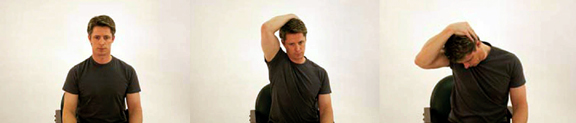
Exercise of the Week: Lateral Flexion + Forward Flexion
Difficulty: Easy to moderate
Start: Sit upright in chair.
Exercise: Place one hand on top of head, with fingers pointing down toward opposite shoulder, behind ear (image 2). Then, allow neck to relax as weight of arm pulls head and neck gently forward and to opposite side (image 3). Chin should be pointing down toward knee, and you should not feel pain in this position. Drop shoulder on side you feel the stretch. Hold for 20-30 seconds. Switch sides, and repeat 2X per side.
Topic of the Week: How Does Breakfast Impact Your Health?
You have no doubt heard the old saying “Breakfast is the most important meal of the day,” but aside from providing calories for energy, what are the other benefits of eating a morning meal? Research conducted on breakfast in the last decade shows how it may affect obesity, cravings, and nutrient intake. Breakfast also appears to influence the type of foods we select to consume during the rest of the day.
What Science Says
According to a 2011 survey about 10 to 12 percent of people in North America skip eating breakfast. Breakfast research has focused on a number of questions, including disease, breakfast skippers and body weight.
A study conducted in France showed people who consumed one quarter of their daily calories at breakfast were more likely to skip fatty food items and boost their levels of vitamins and minerals compared to breakfast skippers. As well, the authors commented that “…breakfasts and cereal consumption were associated with lower serum cholesterols” in the breakfast eating group.
An advantage of eating a breakfast cereal rich in fiber is it lessens the risk of heart disease. Soluble fiber reduces the absorption of cholesterol into your bloodstream, and makes you feel fuller longer, so you often cut your overall daily calorie count. Breakfast cereals made from whole grains is a great way to increase your fiber intake, which should be about 1 ounce (25 to 30 grams) each day. Studies show that people who reach these levels of fiber intake slashed their risk of heart attack from 25 to 35 percent.
A similar study, published in the Archives of Internal Medicine, revealed people who regularly ate whole grain breakfast cereals had a lower risk of heart failure.
As well as fiber, one study showed that eating sufficient protein at breakfast can help you feel full. Research conducted at the University of Missouri used MRI scans on human test subjects, and the scans revealed a protein focused breakfast reduced brain signals controlling food “motivation and reward-driven eating behavior.” A protein heavy breakfast may curb snacking and assist people in losing weight more easily.
The medical journal Pediatrics conducted a study on adolescents and discovered over a five-year period teens that consumed a daily morning meal were more likely to eat healthier, be more physically active, and have a lower body mass index (BMI) than teens that skipped breakfast.
Another adolescent study was initiated “to examine the association of breakfast and cereal intake with body mass index (BMI) and consumption of nutrients” by girls. The researchers found that girls regularly eating cereal was “related to increased intake of fiber, calcium, iron, folic acid, vitamin C, and zinc, and decreased intake of fat and cholesterol…eating cereal was predictive of lower BMI.”
“Would You Like to See the Dessert Menu?”
One of the most surprising breakfast studies came out earlier this year. Researchers in Israel found that having dessert after a well-balanced 600 calorie breakfast of protein and carbohydrates actually helped dieters to lose weight and keep those extra pounds from returning. The study published in the medical journal Steroids followed obese participants for 32 weeks and discovered that those people who added a dessert (cookies, cake or chocolate) lost an average of 40 lbs (18 kilograms) compared to the participants who did not include sweets.
What can explain this unusual result? The lead researcher noted that avoiding sweets completely can actually make psychological cravings stronger. Restrictive diets work initially, but as times goes by many dieters become weary of the depravation and return to snacking on sweets throughout the day. A researcher commented: "…the group that consumed a bigger breakfast, including dessert, experienced few if any cravings for these foods later in the day."
When it comes to eating a well-rounded breakfast, you should include servings of whole grain, fruit or vegetables and a healthy source of protein. These choices will help deliver the energy to start your day, keep you feeling fuller longer, and prevent unhealthy snacking. Have questions about your diet? Ask your chiropractor!
Disclaimer: Information contained in The Wellness ExpressTM newsletter is for educational and general purposes only and is designed to assist you in making informed decisions about your health. Any information contained herein is not intended to substitute advice from your physician or other healthcare professional. Copyright © -The Wellness ExpressTM
Monday, June 11, 2012
Topic of the Week: Can Nutrition Help Kids with ADHD?
Attention Deficit Hyperactivity Disorder (ADHD) is the most common neurological disorder among children, accounting for over 35% of all medical referrals to psychiatric clinics. In North America, it affects about six million kids and the rate appears to be increasing, as statistics showed a 22 percent jump in ADHD cases from 2003 to 2007. Although a few medical researchers believe it may be over diagnosed and over treated, ADHD remains a challenging disorder for both children and their families.
Kids with ADHD have trouble concentrating, act impulsively and have difficulty remaining still. It can dramatically impact their academic performance and social status among peers.
For reasons that are still undetermined, boys are more likely to be diagnosed with this disorder, and are prescribed medication three times more often than girls. Recent studies also indicate ADHD may have a pivotal role in the development of other chronic health conditions. For example, insomnia and other sleep disturbance problems appear more often in children with ADHD.
A study published in the journal Sleep showed 17 percent of ADHD adolescents suffered insomnia compared to 7 percent of teens without this disorder and the research indicates these sleep problems may extend into adulthood. Lack of sleep also exacerbates attention and concentration problems.
ADHD & Nutrition
Many parents of ADHD children are looking for an alternative– or a reduction – to medication. Changing to a healthier diet may reduce symptoms for some kids.
Medical research points to Western society’s indulgence of processed food, often high in refined sugar and low in nutrients as a possible cause of ADHD. Food additives and coloring are also suspects. Research published in the Journal of Attention Disorders reveals the common Western diet doubled the risk for developing ADHD. This may be the result of the low levels of nutrients in this food.
Some experts also recommend testing ADHD kids for gluten intolerance and, if they test positive, removing gluten food products from their diet.
Switching ADHD children to a diet rich in fruits, vegetables and fish may provide a way to reduce the symptoms.
Research indicates omega 3 fatty acids found in fish are excellent for optimizing the health of the brain and nervous system. In particular, DHA, or docosahexaenoic acid, seems especially influential on proper brain function for memory and learning. Choose fish that have low mercury levels, such as anchovies, mackerel and wild salmon.
While more research needs to be conducted on this subject, a study that appeared in the American Journal of Clinical Nutrition noted that ADHD “subjects with lower compositions of total n-3 fatty acids had significantly more behavioral problems, temper tantrums, and learning, health, and sleep problems than did those with high proportions of n-3 fatty acids.”
Missing Minerals May Make Impact
A mineral that may be important for reducing ADHD symptoms is magnesium. It is involved in hundreds of chemical reactions in the body. Unfortunately, magnesium deficiency is common in the Western world. When you have low levels of the mineral, your nervous system can become agitated and overexcited.
A French study on ADHD children revealed those that received a combination of magnesium and vitamin B6 over eight weeks achieved substantial improvement in attention and other cognitive functions. When they no longer received this nutritional combination, the children’s ADHD symptoms returned.
Another mineral that may help with ADHD is zinc. The Journal of Child Psychology and Psychiatry revealed that zinc levels of ADHD kids were 43 percent lower than children in the placebo group.
It is preferable to have your child get required nutrients through his or her diet. If your child is a finicky eater, supplements may fill the nutritional gap -- consuming a good quality multivitamin may help ADHD kids achieve optimal nutritional levels. However, you should always consult your chiropractor or pediatrician before providing your child with vitamins, herbs or other supplements.
Disclaimer: Information contained in The Wellness ExpressTM newsletter is for educational and general purposes only and is designed to assist you in making informed decisions about your health. Any information contained herein is not intended to substitute advice from your physician or other healthcare professional. Copyright © -The Wellness ExpressTM
Exercise of the Week: Range of Motion: Rotation
Difficulty: Easy
Start: Sit upright in chair.
Exercise: Turn head as far to one side as you can. Stop when you feel resistance to movement, but no pain. Hold for 10-15 seconds. Then, turn head as far to other side as you can. Once again, stop when you feel resistance, but no pain. Hold for 10-15 seconds. Repeat 5-10X per side.
Quote of the Week
“One reason so few of us achieve what we truly want is that we never direct our focus; we never concentrate our power. Most people dabble their way through life, never deciding to master anything in particular.”~ Tony Robbins
Monday, May 21, 2012
Topic of the Week: ELBOW PAIN: Do you play golf or tennis?
When painful symptoms show up in your elbow, one of the first things your chiropractor will ask is whether you play tennis or golf. Why?
Because of the nature of these two sports, there is a lot of strain placed on the elbows of these athletes. The tennis ‘back-hand’ will put a lot of stress on the extensors of the wrist, leading to potential strain and irritation of the common extensor tendon attached at the outside part of the elbow. Conversely, the golf swing can strain the flexors of the wrist, which attach via the common flexor tendon to the inside part of the elbow - especially if the person is in the habit of taking a big divot’, or repetitively striking the ground hard when hitting the golf ball. In fact, these injuries are so common in people who play tennis and golf that elbow pain has been labeled Tennis Elbow or Golfer’s Elbow, depending upon which side of the joint the symptoms show up.
Either situation will lead to inflammation and pain at the site where the tendons attach to the bone (diagnosis: tendinitis). As a result, you may feel some swelling and tenderness in the area of the injury.
The pain is usually dull, achy and constant, but if you try to grip something with your hand, it usually will become more sharp and localized. The first thing you should do is intermittently apply ice to reduce the inflammation. In addition, rest and avoiding any activity that aggravates the symptoms is recommended.
What if you don’t play one of these sports? Is this the only thing that can cause symptoms in the elbow? Absolutely not. A name is just a name. There are many different reasons why you might be suffering from pain in your elbow.
Just because you don’t play golf or tennis, this does not mean you don’t have one of these conditions. Painful tendinitis can be caused by any repetitive activity involving flexion/extension or twisting of the wrist and elbow. Throwing a ball for your dog, working in the garden, painting a wall or a fence - these are all common, non sport-related activities that could lead to tendinitis in the elbow and they should be treated the same: ice and rest. In the long-term, of course stretching and strengthening the area may help prevent the problem from recurring. However, whenever inflammation is present, one should be cautious about placing any load on a tissue that is already injured.
Sometimes, pain in the elbow is not related to stress and strain of tendons - instead, an irritation of nerves that pass by the elbow could be the cause of your discomfort. The two main nerves that travel through this area are the ulnar and median nerves.
The tricky thing about nerves is that no matter where the source of irritation is - local (a peripheral nerve) or where they exit the spine (as a nerve root) – the pain can be felt at any point along the nerve. This is why it is important to have your chiropractor assess the problem. Your chiropractor will be careful to look at your neck to assess your cervical spine for vertebral subluxations or disc herniations that may be pinching/irritating the nerve roots corresponding to nerves leading to the elbow. If performing orthopedic tests on your neck reproduces the pain in your elbow, the condition is more likely to be labeled radiculopathy rather than tendinitis.
Chiropractic adjustments are often very helpful in reducing radicular symptoms, sometimes in as little as one or two treatments! Of course, you should always have your spine checked regularly, in an effort to prevent symptoms, too.
Finally, the elbow joint itself should be assessed. The elbow is comprised of three bones, namely the humerus (the upper arm), plus the ulna and radius (the 2 forearm bones). Each one of these bones will articulate with the other two, forming joints. Trauma, infection, or repetitive stress and strain - any of these causative factors can create joint subluxation or pathology.
Luckily, your chiropractor is a joint specialist! After reviewing the presentation of your symptoms, and all the possible causes, your chiropractor will determine the best course of action to alleviate your pain.
Disclaimer: Information contained in The Wellness ExpressTM newsletter is for educational and general purposes only and is designed to assist you in making informed decisions about your health. Any information contained herein is not intended to substitute advice from your physician or other healthcare professional. Copyright © - The Wellness ExpressTM
Subscribe to:
Posts (Atom)